Marble and Travertine in Cyprus Homes: Stone Looks That Belong in the Mediterranean
Marble and travertine suit Cyprus homes. Angela on the difference between them, whether a marble dining table is practical and how to care for stone.
 Angela HadjiconstantinouFounder & Interior Designer31 Oct 2026 · 9 min read
In this article
Marble and travertine feel at home in Cyprus because they are Mediterranean materials in a Mediterranean light. A stone coffee table, side table or dining table adds weight, coolness and texture to rooms full of white walls and tiles. Choose travertine for warmth and a relaxed feel, marble for polish, and keep both well away from lemon juice.
My take: stone is the one “trend” that was here long before the trend lists and will still be here after them.
What’s the difference between marble and travertine?
Both are natural stones made mostly of calcium carbonate, but they look and behave differently. Travertine is a type of limestone formed around mineral springs; it has small natural holes and pits, usually filled and honed to a soft matt finish, in warm beige, honey and cream tones. Marble is limestone that has been transformed by heat and pressure; it is denser, often polished and known for its veining.
In a room, travertine reads relaxed and sun-bleached. Marble reads formal and crisp. Both look wonderful in our light, which is strong enough to show off texture and veining properly.
Is travertine still in style in 2026?
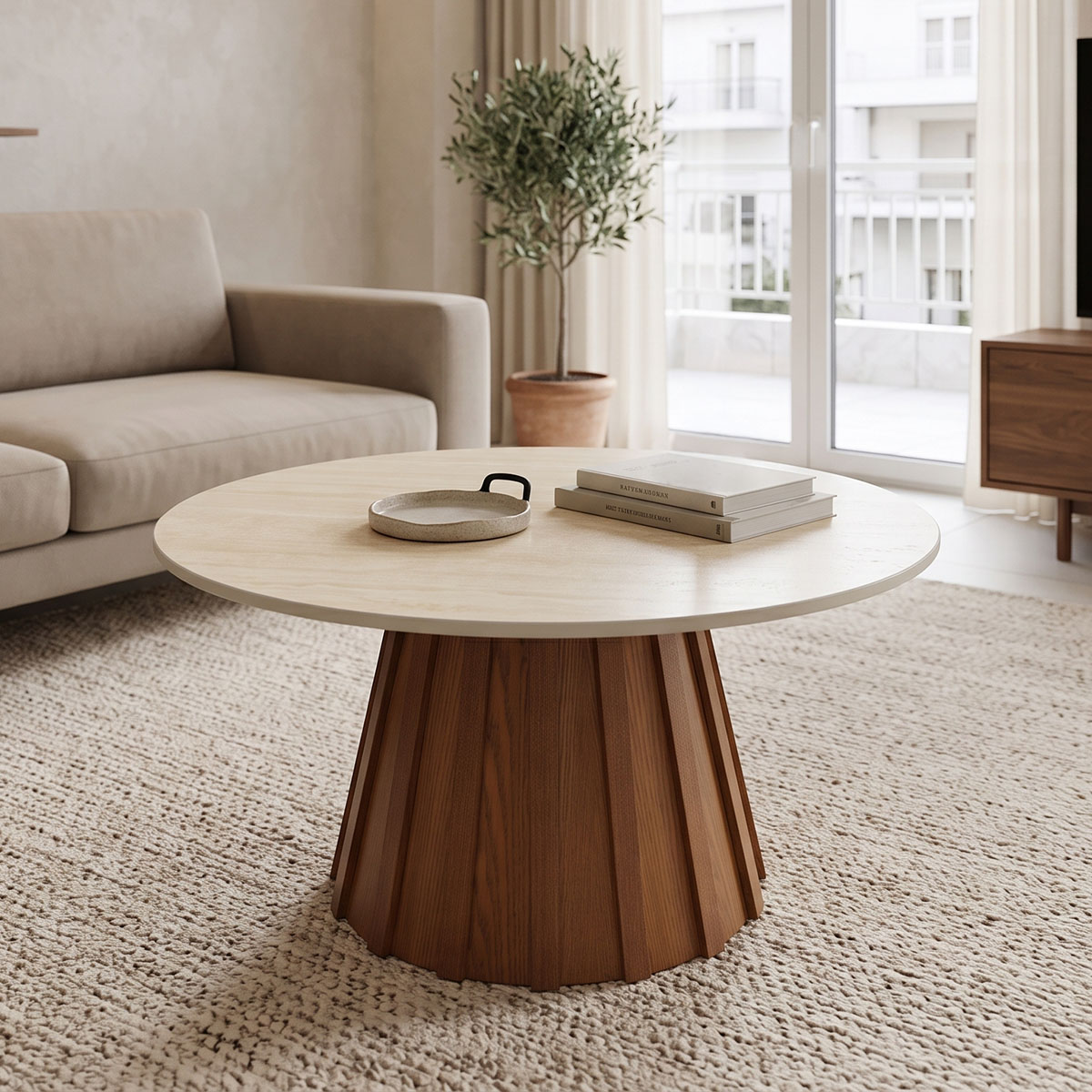
Travertine is everywhere right now, and I’d still buy it. In Cyprus it looks natural rather than trendy, because it matches our sand, our old limestone village houses and the colour of the hills at the end of summer. A travertine coffee table in a white living room with cream seating is one of the easiest good-looking rooms you can put together.
The danger is travertine everything: floor, coffee table, side table, lamp, vase, candle holder. At that point you’ve built a hotel lobby. One or two stone pieces per room is plenty, ideally spread across the space so they talk to each other.
The look: stone in the living room
Travertine and marble coffee tables, a marble dining table and a stone side table: spread across an open-plan room, so the stone repeats instead of crowding one corner.


Is a marble dining table practical for family life?
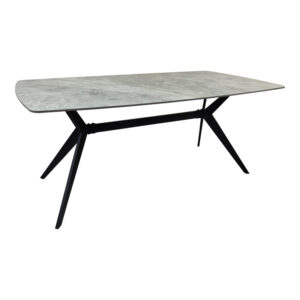
A marble dining table is practical if you accept that it will age. Marble and travertine are sensitive to acids, so lemon, wine, vinegar and even some cleaning sprays can leave dull marks, known as etching. Good sealing helps; coasters and placemats help more. If a ring from a glass of wine would ruin your week, choose a stone-look surface instead and enjoy your dinner.
I studied interior design in Florence, where stone has been fashionable for several centuries and nobody frets about a little patina. I’d suggest the same attitude here. The mistake I see all the time is buying a beautiful marble dining table and then hiding it under a tablecloth for ten years. Use it. Let it show that it’s lived.
One practical point: real stone is heavy. Check the dimensions and materials on the product page, and measure your stairs, lift and door frames first; our guide on how to measure before ordering furniture walks you through it.
What goes well with a marble table?
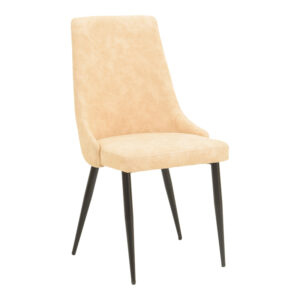
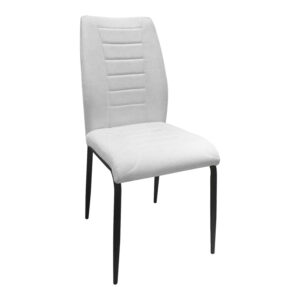
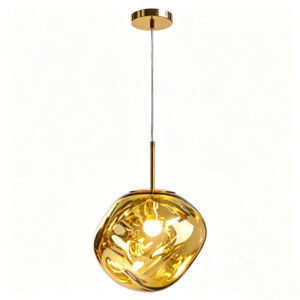
Soft seating and warm light go best with marble. Upholstered dining chairs in velvet or fabric take the edge off all that hardness, and a gold or brass pendant above adds a warmth chrome never manages. Wood helps too. What I’d avoid is marble plus glass plus chrome plus gloss: that’s a bank, not a dining room.
The look: a marble table, dressed for guests
A marble dining table, upholstered chairs in velvet or fabric and a gold ceiling light: hard and soft, cool and warm, exactly the balance a Cyprus dinner table needs.
How do I look after marble and travertine in Cyprus?
You look after stone with quick wiping, gentle cleaners and a little patience. How to do it:
- Use coasters and placemats, especially for wine, citrus and coffee.
- Wipe spills straight away; don’t leave them for the morning.
- Clean with water and a mild, pH-neutral cleaner. No vinegar, no bleach, no lemon “natural” hacks.
- Reseal according to the maker’s advice, more often for a table used every day.
- Near the coast, wipe off sand and salty dust regularly; the grit scratches polished stone over time.
Wondering whether a stone table suits your space? Send a photo on WhatsApp to +357 96 592277 and my team will give you an honest opinion. More from me in the Interior By Angela column.
Add Argos The Classics as a preferred source on Google →
Frequently asked questions
What is the difference between marble and travertine?
Both are natural stones made mostly of calcium carbonate. Travertine is a porous limestone formed around mineral springs, usually honed matt in warm beige tones, while marble is denser, often polished and known for its veining.
Is a marble dining table practical?
Yes, if you accept some patina. Marble is sensitive to acids such as lemon, wine and vinegar, so seal it, use coasters and placemats, and wipe spills quickly.
Is travertine still in style in 2026?
Travertine is very popular in 2026, and in Mediterranean homes it reads as a natural material rather than a passing trend. Use one or two pieces per room rather than travertine everywhere.
How do you clean marble and travertine?
Use water and a mild, pH-neutral cleaner, then dry the surface. Avoid vinegar, bleach and lemon, which can etch the stone.
What chairs go with a marble dining table?
Upholstered chairs in velvet or fabric balance the hardness of marble, and a warm gold or brass pendant above the table completes the look.