Velvet in a Hot Climate? Yes, and Here Is Exactly Where It Works in Cyprus
Velvet furniture in a hot climate? Yes. Angela explains exactly where velvet works in a Cyprus home, where to avoid it and how to keep it looking good.
 Angela HadjiconstantinouFounder & Interior Designer29 Oct 2026 · 9 min read
In this article
Yes, velvet works in Cyprus, hot climate and all. It belongs on the pieces you sit on in short spells or in air-conditioned rooms: dining chairs, bar stools, an accent armchair, an upholstered bed. Keep it out of direct afternoon sun and away from the sandy holiday flat, and velvet furniture will look rich here for years.
My take: velvet isn’t too hot for Cyprus; it just needs the right job.
Is velvet too hot for a Cyprus summer?
Against bare legs on a July afternoon, velvet feels warmer than linen. That’s the honest answer. But most of us spend summer evenings with the air-conditioning on, and that is when we actually sit on the sofa. Velvet’s best season here is also longer than people think. From November to April, Cypriot homes with tiled floors and modest heating feel far colder than visitors ever believe, and velvet is exactly what you want to sink into then.
So no, velvet isn’t a mistake in a hot country. Putting it in the wrong spot is.
Where does velvet work best in a Cyprus home?
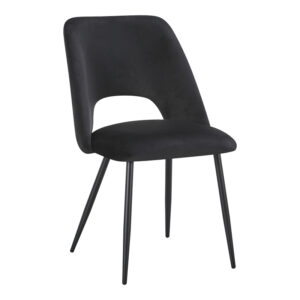
Velvet works best where sitting is short or the room is cool. Dining chairs are the obvious winner: you sit for a meal, mostly in the evening, and velvet makes even a Tuesday dinner feel like an occasion. Bar stools are another; nobody stays on a stool long enough to overheat. A velvet armchair in a reading corner away from the window works well, and so does an upholstered headboard, which you lean on rather than lie on.
A velvet sofa is perfectly fine in an air-conditioned apartment living room. In July and August, throw a cotton or linen cover over the seats, then enjoy it properly from October.
The look: velvet in the living and dining area
Velvet sofas, a velvet armchair and velvet dining chairs: one rich fabric repeated across an open-plan space, so living and dining feel like one room.


Where should I avoid velvet?
Avoid velvet anywhere it gets direct afternoon sun, sand or salt. Strong Cyprus sun fades fabric dyes, and velvet’s pile shows it clearly: one end of the sofa slowly becomes a different colour from the other. The seaside apartment in Larnaca or Paphos where everyone walks in still sandy is not velvet territory, and neither is a short-term let where guests sit down straight from the pool.
The mistake I see all the time is the velvet sofa placed right in front of a big sliding balcony door, because that’s where it looks best in the photo. By the second summer, the cushions nearest the glass have faded. Turn it side-on, add sheer curtains, or move it to the other wall.
Is velvet hard to keep clean?
Velvet is far less precious than its reputation. Many modern velvets are synthetic and quite resilient, and the materials are listed on every product page, so check before you buy. Brush it or vacuum with a soft brush attachment, blot spills rather than rubbing, and don’t panic about the marks the pile makes when you sit; a little steam or a brush lifts them. For the full comparison with other fabrics, read our guide to the best sofa fabrics for Cyprus.
The look: velvet for the bedroom and the kitchen counter
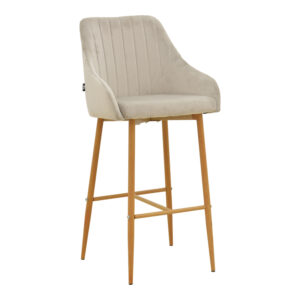
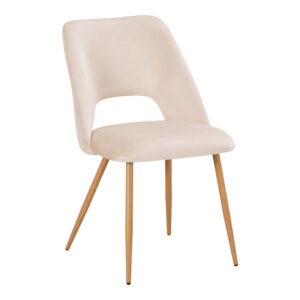
An upholstered velvet bed, velvet bar stools and velvet dining chairs: the fabric goes where you perch or lean, which is exactly where it performs best in our climate.


Which velvet colours suit Cyprus light?
Mid to deep colours suit our light best. Olive, bottle green, rust, ochre and navy look rich under strong sun, because the pile catches the light and shows depth. Very pale velvets can look shiny and patchy at midday. Cream velvet is gorgeous, and I’d only put it in a home without children, dogs or anyone who eats on the sofa.
How to do it:
- Start with velvet on chairs, stools and headboards; move on to a sofa once you love it.
- Keep velvet out of the afternoon sun patch, or filter the light with sheer curtains.
- In July and August, put a linen or cotton throw over the seats you use most.
- Choose mid to deep shades; they forgive more and look better in strong light.
In hotel and restaurant projects I’ve worked on, velvet often ends up on the dining chairs for a simple reason: it looks generous, it feels good, and nobody sits long enough to notice the heat.
Thinking about velvet but unsure where it should go? Send a photo of the room on WhatsApp to +357 96 592277 and my team will tell you honestly. For more opinions like this, see the Interior By Angela column.
Add Argos The Classics as a preferred source on Google →
Frequently asked questions
Is velvet furniture suitable for a hot climate like Cyprus?
Yes, if it is used in the right places. Velvet works well on dining chairs, bar stools, accent armchairs and headboards, and on sofas in air-conditioned rooms, as long as it is kept out of direct afternoon sun.
Does velvet fade in the sun?
Strong sunlight fades fabric dyes, and velvet's pile makes fading easy to see. Keep velvet pieces away from sunny windows or filter the light with sheer curtains.
Is a velvet sofa too hot in summer?
Velvet feels warmer than linen against bare skin, but in an air-conditioned living room it is comfortable. A cotton or linen throw over the seats in July and August helps.
How do you clean velvet furniture?
Brush or vacuum it with a soft brush attachment, blot spills instead of rubbing, and lift pile marks with light steam or a brush. Always check the materials and care advice for the specific piece.
Which velvet colours work best in strong sunlight?
Mid to deep shades such as olive, bottle green, rust, ochre and navy look richest in strong light and forgive more. Very pale velvet can look shiny and patchy at midday.