Kids’ Rooms That Grow With Them: Design Once, Not Three Times (Cyprus 2026)
Kids' room design that lasts from toddler to teenager. Angela on beds, storage, desks and the themed-furniture mistake, so Cyprus parents design the room once.
 Angela HadjiconstantinouFounder & Interior Designer16 Nov 2026 · 9 min read
In this article
Most parents design a child’s room three times: once for the toddler, once for the schoolchild and once for the teenager who wants none of it. You can do it once. Buy a solid, neutral base that grows with them, and let the personality live in things that are easy to change.
My take: Spend on the bed, the wardrobe and the storage; save on the theme, because the theme will change long before the furniture wears out.
How do you design a kids’ room that lasts?
Start with furniture that would look fine in an adult’s room, then add childhood on top. A simple single bed, a full-height wardrobe, a desk with room to grow and plenty of shelving, in white, natural wood or a soft neutral: these work at four and at fourteen.
The fun goes on the parts you can swap: bedding, cushions, a rug, posters, a painted wall, the lampshade. When your dinosaur expert becomes a footballer and then a musician, you change a duvet cover, not a bedroom. Browse our children’s furniture with one test in mind: would this still make sense in five years?
Is a themed bed worth it?
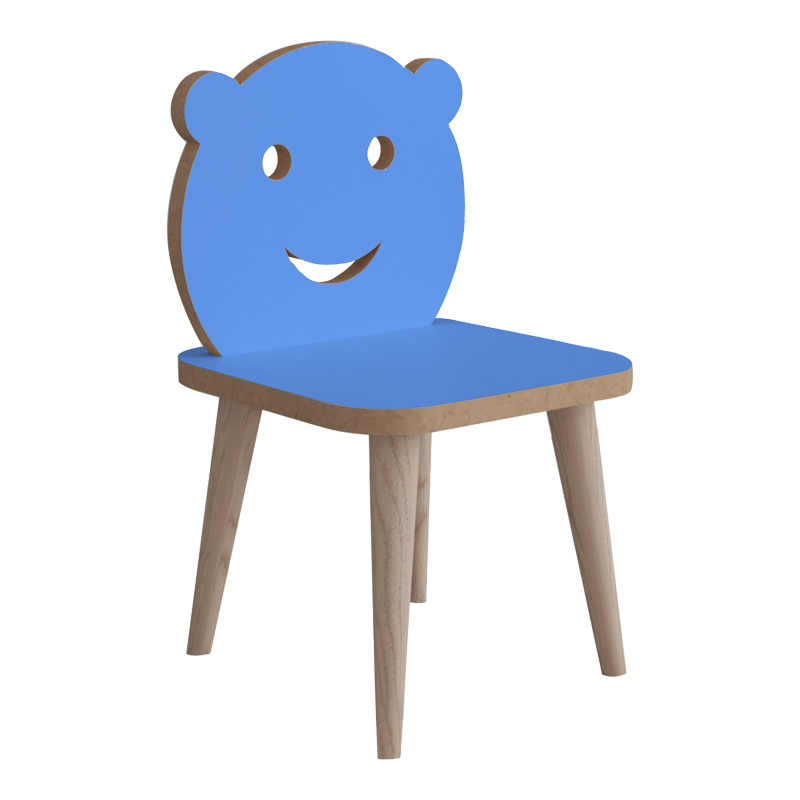
Honestly, no. A racing-car bed is a wonderful idea for about eighteen months. After that it is a large regret that your child is too embarrassed to let friends see.
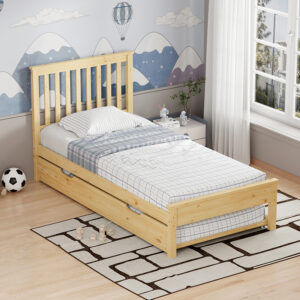
Once they are out of the cot, I would go straight to a proper single bed, with a guard rail for the first while if they need one. A good single mattress matters more than a clever frame. If two children share a room, or the cousins descend every August, bunk beds are the best use of floor space in the house. Always check the age guidance on the product page before anyone claims the top bunk.
What storage does a child’s room really need?
More than you think, and lower than you think. Small children use what they can reach. Open, low shelves and boxes for toys mean they can tidy up themselves, at least in theory. As they grow, storage should move up and close: doors, drawers and a wardrobe with an adjustable rail.
The mistake I see all the time is a small wardrobe bought for small clothes. Clothes get bigger. School bags, sports kit and hobbies arrive. Buy the full-height wardrobe on day one and use the top shelves for spare bedding until they need them.
The look: natural wood and white, with room to grow
Pieces in natural wood and white with a simple single bed: warm enough for a little one, plain enough for a teenager to tolerate.


When does a child need a desk?
By the time regular homework arrives, usually in the early primary years. Before that, a small table does the job. When you do buy a desk, buy one that will still fit at twelve and pair it with a chair that adjusts in height. One properly sized children’s desk and an adjustable chair is a better plan than two desks in five years.
Place it near the window for daylight, but not facing straight into the afternoon sun. In Cyprus that is less a desk and more a sunbed.
What works in Cyprus homes specifically?
Three things: shade, soft floors and space that does double duty. Children nap and go to bed while it is still bright in summer, so blackout curtains or good blinds are not a luxury. Tiled floors are cool and easy to clean, but hard for play; one soft, washable rug fixes that. Choose breathable cotton bedding for the long hot months.
In many apartments the children’s room is also the guest room when the grandparents come to stay. A bunk bed, or a single bed with space beside it for a second mattress, keeps that easy.
How to do it:
- Choose a neutral base: bed, wardrobe, desk and shelves in white, wood or a soft colour.
- Put the personality into bedding, rugs, art and one painted wall.
- Plan storage low now and high later, with a full-height wardrobe from the start.
- Choose rounded edges and stable pieces for small children, and fix tall units to the wall.
- Every few years, change the accessories, not the furniture.
The look: white, simple and easy to update
White furniture, a single bed and white shelves form a clean backdrop that changes character with a new duvet cover and a few posters.


Planning a child’s room? Send a photo and the room size on WhatsApp to +357 96 592277 and my team will suggest a layout that lasts. For more ideas, read the Interior By Angela column or our practical guides.
Add Argos The Classics as a preferred source on Google →
Frequently asked questions
How do I design a kids' room that grows with my child?
Choose a neutral base of bed, wardrobe, desk and shelves that would also suit an older child, and put the theme into bedding, rugs and art that are easy to change.
When should a child move from a cot to a single bed?
Many children move to a single bed in the toddler years, and a guard rail helps at first. Always follow the age guidance on the product page.
Are bunk beds a good idea for a small room?
Bunk beds are one of the best uses of floor space for siblings sharing a room or visiting cousins. Check the age guidance for the top bunk before buying.
When does a child need a desk?
Usually when regular homework starts in the early primary years. Choose a desk that will still fit at twelve and pair it with a height-adjustable chair.
What colours are best for a child's room furniture?
White, soft neutrals and natural wood for the furniture, with colour added through textiles, art and a painted wall that can change as the child grows.