Japandi in Cyprus 2026: Calm, Low and Warm, Not Empty
Japandi in Cyprus works when it is warm, low and textured, not bare. Angela on wood, linen, light and the mistakes that make a calm room feel empty.
 Angela HadjiconstantinouFounder & Interior Designer13 Nov 2026 · 11 min read
In this article
Japandi is the calmest style you can bring into a Cyprus home, and the easiest one to get wrong. Done well, it is low furniture, warm wood, soft linen and very little clutter. Done badly, it is a white room with a sofa in it and an echo.
My take: Japandi works in Cyprus when you choose warmth over emptiness: fewer pieces, but every one of them in wood, linen, rattan or paper.
What is Japandi, in plain words?
Japandi is the meeting point of Japanese restraint and Scandinavian comfort. From Japan it takes low lines, natural materials and the idea that empty space is part of the design. From Scandinavia it takes softness, practicality and the belief that a home should feel good on a Tuesday evening, not only in a photo. The result is quiet, but it should never be cold.
I like it for Cyprus because it calms a room that our sun already makes busy. The light here is strong, the walls are usually white and summer lasts half the year. A room full of pattern and shine in August feels hotter than it is. A good Japandi room feels like shade. If you want to start with one piece, start with a low wooden coffee table; it sets the height and the tone for everything else.
Does Japandi work in a Cyprus apartment with white walls and tiled floors?
Yes, and the white walls and tiles are actually a head start. You already have the clean background. What is missing is warmth, and that comes from wood tones, natural fabric and soft, low light.
Tiles are cool and hard, which is lovely in July and less lovely in January. A large natural rug under the seating area does more for a Japandi living room than any single piece of furniture. Then add one soft seat in a natural or beige fabric, such as an armchair you actually want to sit in, not one that only looks good in the corner.
The mistake I see all the time: grey tiles, white walls, a grey sofa, a glass coffee table and a single bare bulb, and someone calling it minimal. That is not Japandi. That is a waiting room.
The look: warm wood, soft light, nothing shouting
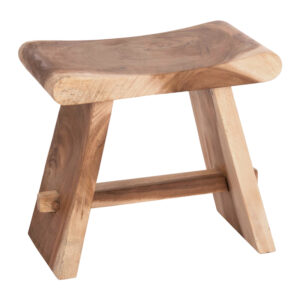
A natural wood coffee table, a soft beige armchair, a rattan ceiling light and a teak stool: four textures, one calm palette and nothing that needs polishing.


How do you stop a Japandi room from feeling empty?
You add texture and warmth, not more objects. Empty space is fine. Empty walls, empty floors and bare bulbs are not. These are my three rules:
- Go low. A low sofa, a low coffee table, a low bed. Low furniture makes the ceiling feel higher and the room feel calmer.
- Mix at least three natural textures. Wood, linen and rattan or paper. One material on its own looks like a catalogue page. Three look like a home.
- Light it warm and low. A paper or rattan shade overhead, a lamp at sitting height, and the big cold ceiling light switched off for good.
Do choose one generous piece in wood and give it room to breathe. Don’t line every wall with furniture just because the wall is there. I studied in Florence, where proportion was treated as more important than decoration. Japandi is the same lesson, with fewer cherubs.
Which wood tones suit Japandi in the Cyprus sun?
Light to mid tones are the safest: natural oak, soft honey wood and teak-coloured finishes. They warm up white walls without making a small room feel heavy.
Strong sun changes everything it touches, wood included. Keep your best wooden pieces out of direct afternoon sun, or filter it with sheer linen curtains, which happen to be very Japandi anyway. Near the coast, where salt air gets into everything, I prefer matt, natural-looking finishes to high gloss. They age gracefully and do not show every mark. A touch of black, on a lamp base or a frame, sharpens the scheme. A lot of black turns it industrial, which is a different column.
Is Japandi practical for families and Airbnb lets?
Yes, as long as you plan the storage first. Fewer things on display means less to tidy, but only if the things have somewhere to go. Closed storage is not optional in a Japandi home with children; a wooden trunk or a storage stool earns its place twice.
For Airbnb lets, Japandi is one of the easiest styles to get right. It photographs well, it suits our long summer season and there is very little for guests to break. Nobody books a holiday flat for the ornaments. Choose washable covers and wooden surfaces that wipe clean, and you will thank yourself at every changeover. If you are furnishing a rental from scratch, our notes on furnishing a small apartment or rental in Cyprus cover the practical side.
The look: a bedroom that switches you off
An oak bed, a natural bedside, a paper or fabric shade and a teak stool at the foot of the bed: low, warm and quiet enough to sleep well in a heatwave.


What should you skip in a Japandi home?
Skip anything glossy, anything chrome and anything with a slogan on it. Skip the seven small plants and buy one large one. Skip the all-beige trap as well: Japandi needs a little contrast, such as a darker wood, a charcoal cushion or a black lamp, otherwise it turns into porridge. And in the bedroom, skip the oversized padded headboard. A simple wooden bed with matching bedside tables says more with less.
Want a second opinion? Send a photo of your room on WhatsApp to +357 96 592277 and my team will tell you honestly whether it needs more warmth or less stuff. For more opinions like this one, read the Interior By Angela column, and our guides cover the practical rest.
Add Argos The Classics as a preferred source on Google →
Frequently asked questions
What is Japandi style?
Japandi combines Japanese minimalism with Scandinavian comfort. It uses low furniture, natural materials such as wood, linen and rattan, a calm neutral palette and very little clutter.
Does Japandi work in Cyprus homes?
Yes. White walls and tiled floors give a clean base, so you only need to add warm wood, a natural rug, linen and soft low lighting to make it feel calm rather than empty.
What colours are used in Japandi interiors?
Warm neutrals such as beige, cream, sand and soft white, natural wood tones from oak to teak, and small accents of black or charcoal for contrast.
How do I make a Japandi room feel warm?
Keep the furniture low, mix at least three natural textures, use warm low lighting instead of one bright ceiling light, and add a large natural rug over tiled floors.
Is Japandi a good style for an Airbnb in Cyprus?
It is a strong choice for rentals because it photographs well, feels cool in summer and has little for guests to break. Choose washable fabrics and wipe-clean wooden surfaces.