Walnut in 2026: How to Make It Look Expensive, Not Heavy, in a Cyprus Home
Walnut furniture is the wood of 2026. How to use it in a bright Cyprus home so it looks expensive, not heavy: how much, what to pair it with, what to skip.
 Angela HadjiconstantinouFounder & Interior Designer1 Nov 2026 · 10 min read
In this article
Walnut is the wood everyone wants this year, and for once the fuss is deserved. Used well, walnut furniture makes a Cyprus home look warm, calm and quietly expensive; used badly, it turns a bright apartment into a 1980s lawyer’s office. The difference is not the wood. It is how much of it you use and what you put around it.
My take: Walnut is worth it in 2026, but treat it as the accent, not the whole room.
Why is walnut suddenly everywhere?
Because people are tired of grey and washed-out pale oak, and walnut is the most grown-up way to bring warmth back. It has depth, a visible grain and a colour somewhere between chocolate and honey, so it works with the warm neutrals that are taking over living rooms. In Cyprus it has an extra advantage: our light is strong and white, and a darker wood gives the eye somewhere to rest. Very pale wood under August sun can look bleached. Walnut holds its own.
Does walnut make a room look heavy?
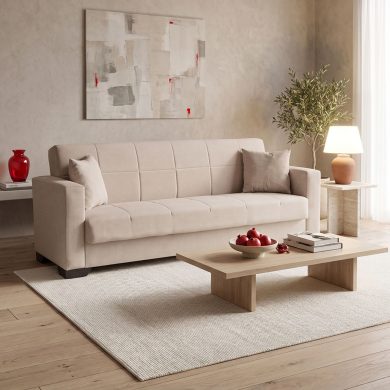
Only if you let it cover every surface. The mistake I see all the time is the full matching set: walnut TV unit, walnut coffee table, walnut dining table, walnut sideboard, all bought in one go, all the same tone. The room stops looking designed and starts looking like a showroom from another decade. Walnut needs contrast to look rich. Give it white walls, which most Cypriot homes already have, a light sofa, linen or cotton, and a little metal or stone. Then one or two walnut pieces do all the work.
A rough rule I use: in a living room, walnut should be about a third of the furniture, not all of it. Start with the piece you look at most, usually the TV stand or the coffee table, and build around it.
The look: walnut in the living room, bedroom and study
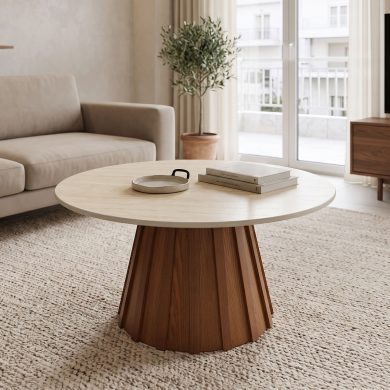
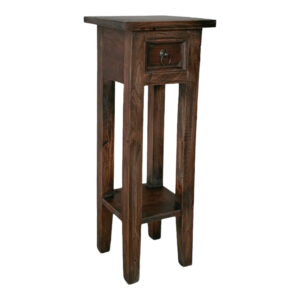
Four pieces in the same wood, one for each part of the home, which is exactly how walnut looks best: repeated from room to room, never piled up in one corner.

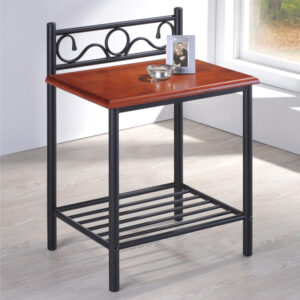

What colours go with walnut furniture?
Cream, warm white, sand, olive, terracotta and black go with walnut; cold grey and glossy bright white do not. Walnut is a warm wood, so it fights with blue-grey sofas and cool white LED light. Pair it with ecru or beige upholstery and it immediately looks more expensive. Black makes a good second accent, in a lamp base, a frame or the legs of a chair, because it sharpens the brown. Brass and gold work too, in small doses. If your floor is the classic Cypriot beige or cream tile, you are already halfway there.
Is walnut a good idea in a sunny, humid Cyprus home?
Yes, with two precautions. First, sun: natural walnut tends to lighten and turn more golden after years of direct sunlight, so do not put your best piece right against a south-facing balcony door without a sheer curtain. Second, humidity: near the coast, keep wood out of the direct blast of the air conditioning and wipe spills straight away. Check the product page for the material. Solid wood, walnut veneer and walnut-effect finishes can all look good, but they age differently and cost differently. None of them is wrong. Just know what you are buying.
Where should you use walnut first?
Where your hands and eyes go: tables, a sideboard, bedside tables, a desk. These are the pieces you touch every day, and walnut looks and feels better up close than almost anything else. I would leave wardrobes and large wall units light, because a two-metre block of dark wood in a normal-sized Cypriot bedroom is a lot of brown before your first coffee.
- One hero piece per room. A dining table or a sideboard in walnut, everything around it lighter.
- Repeat it, do not match it. A walnut lamp or console in the hallway ties the home together better than a matching set ever will.
- Put texture next to it. Linen, boucle, travertine or a wool rug stop walnut looking flat.
- Warm light only. Choose warm white bulbs; cool white makes walnut look grey-brown and tired.
The look: walnut for the entrance and dining area
A console, a floor lamp, a dining table and a sideboard in walnut and natural tones: enough to make the dining area feel grown-up, with lighter finishes in the mix so it never closes in on you.
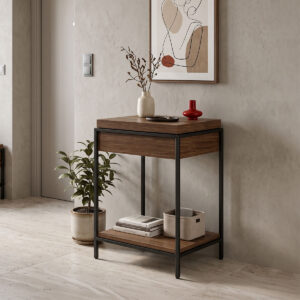
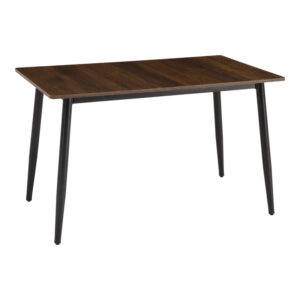

Is walnut just a trend that will date?
I do not think so. Walnut has come and gone and come back for decades, which tells you it is a classic that occasionally goes quiet, not a fad. What dates is the styling around it: the high gloss, the heavy carving, the everything-matches look. Keep the shapes simple and the surroundings light, and walnut you buy in 2026 will still look right in 2036. I studied interior design in Florence, where you learn quickly that good materials do not need to shout. Walnut is the proof.
Have a room you are unsure about? Send a photo on WhatsApp to +357 96 592277 and my team will tell you where walnut would work. Or browse the full living room collection and more of my columns in Interior By Angela.
Add Argos The Classics as a preferred source on Google →
Frequently asked questions
Does walnut furniture go with white walls?
Yes. White walls are the easiest backdrop for walnut because the contrast makes the grain and colour look richer. Add warm textiles and warm white light so the room does not feel stark.
Does walnut fade in the sun?
Natural walnut tends to lighten and turn more golden after long exposure to direct sunlight. In a bright Cyprus room, a sheer curtain or keeping the piece out of direct afternoon sun helps it age evenly.
Can you mix walnut with oak or other woods?
Yes, as long as one wood clearly leads. Use walnut for one or two main pieces and keep the other wood lighter and simpler, so the mix looks chosen rather than accidental.
Is walnut a good choice for a small apartment?
It can be, if you limit it to one or two pieces such as a coffee table or bedside tables. Keep the walls, sofa and large storage light so the room still feels open.
What is the difference between solid walnut, walnut veneer and walnut-effect furniture?
Solid walnut is wood all the way through, veneer is a thin layer of real walnut over another board, and walnut-effect is a printed or coloured finish. Each product page lists the materials, so check before you order.